
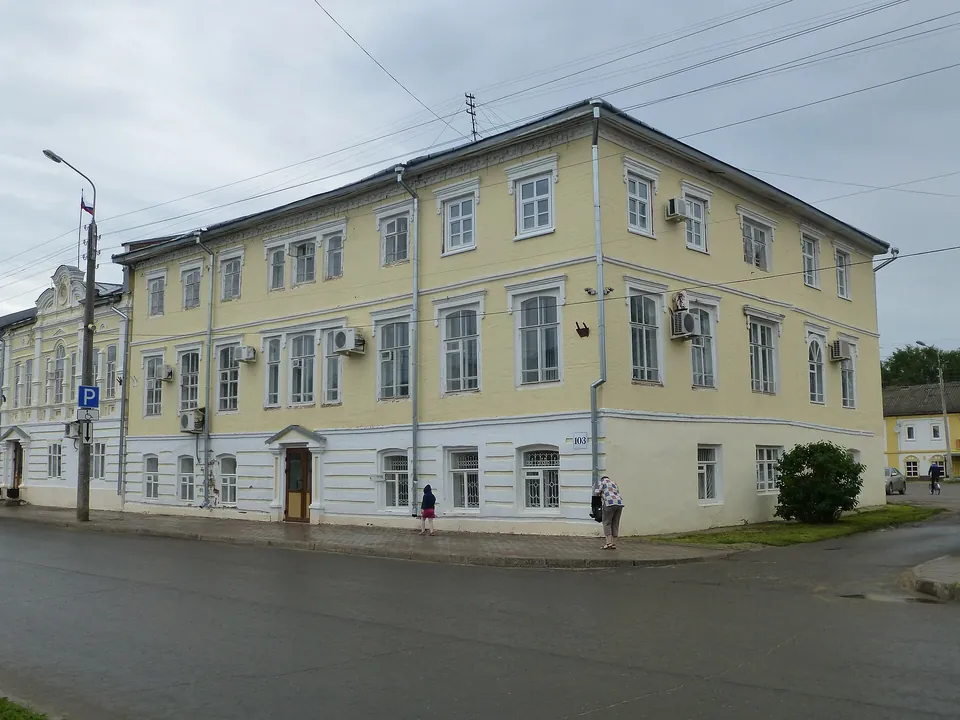
Best time to visit Veliky Ustyug: June–August.
Veliky Ustyug, Vologda Oblast, Russia · for exploring outdoors
Photo: Sergeyb, CC BY-SA 4.0, via Wikimedia Commons
Why these months in Veliky Ustyug
JuneBest
One of the best months for exploring outdoors, on the weather alone.
In its favor
- Feels like by dayideal18.6 °C
ideal 18.0–27.0 °C
- Average daily highideal19.8 °C
ideal 18.0–26.0 °C
- Share of daylight that is sunnyideal70%
ideal 55% or more
- Days with heavy rainhigh1.8 days
ideal up to 1.0 days
- Average daily lowlow9.3 °C
ideal 10.0–19.0 °C
- Relative humidityhigh71%
ideal 35–65%
Against it
- Wet dayshigh12.6 days
ideal up to 6.0 days
- Precipitationhigh70 mm
ideal up to 60 mm
- Share of rain falling in the daytime56%
- Time rain usually falls4 pm
Veliky Ustyug’s weather, month by month
°C
mm
| Month | Average daily high | Average daily low | Precipitation | Verdict |
|---|---|---|---|---|
| January | -9.2 °C / 15 °F | -14.5 °C / 6 °F | 35 mm / 1.4 in | good month, for Ded Moroz (Russian Father Frost) winter season. The weather alone makes it not good. |
| February | -7.0 °C / 19 °F | -13.6 °C / 8 °F | 28 mm / 1.1 in | good month, for Ded Moroz (Russian Father Frost) winter season. The weather alone makes it not good. |
| March | 0.0 °C / 32 °F | -8.3 °C / 17 °F | 34 mm / 1.4 in | not a good month |
| April | 7.7 °C / 46 °F | -1.5 °C / 29 °F | 39 mm / 1.5 in | tolerable month |
| May | 15.8 °C / 60 °F | 4.6 °C / 40 °F | 54 mm / 2.1 in | good month |
| June | 19.8 °C / 68 °F | 9.3 °C / 49 °F | 70 mm / 2.8 in | best month |
| July | 22.8 °C / 73 °F | 12.4 °C / 54 °F | 84 mm / 3.3 in | best month |
| August | 20.2 °C / 68 °F | 10.6 °C / 51 °F | 69 mm / 2.7 in | best month |
| September | 13.8 °C / 57 °F | 5.9 °C / 43 °F | 64 mm / 2.5 in | good month |
| October | 5.3 °C / 42 °F | 0.7 °C / 33 °F | 67 mm / 2.7 in | not a good month |
| November | -1.3 °C / 30 °F | -4.8 °C / 23 °F | 51 mm / 2.0 in | not a good month |
| December | -6.0 °C / 21 °F | -10.6 °C / 13 °F | 45 mm / 1.8 in | good month, for Ded Moroz (Russian Father Frost) winter season. The weather alone makes it not good. |
Good and best months weigh more than temperature and rain. How they are chosen
Each activity on this page has its own good and best months, rated on twenty years of daily weather records. Which measures count, and how much, depends on the activity: humidity for exploring outdoors, wind for the beach, hiking, and skiing, and snow for skiing alone. Between them, the activities are rated on:
- Daytime highs
- Nighttime lows
- How warm it feels
- Humidity
- How much of the day is sunny
- Hours of daylight
- Monthly rainfall
- How many days it rains
- Days of heavy rain
- Wind
- Snowfall and days with snow
The chart shows the good and best months for exploring outdoors.
A tolerable month is a step below good: it can be done by accepting a drawback, such as heat or rain, and is not a recommendation. Only exploring outdoors is rated this way. Where no month is even tolerable, the least bad months are outlined instead. They are the best of that place's own year, and do not compare it with anywhere else.
Events and seasons
What the weather records cannot show. A major event can lift a month to good or best. The warnings are there to help you plan, and never count against a month.
Reasons to go
- Ded Moroz (Russian Father Frost) winter seasonMajor
January, February, and December
Worth knowing before you go
- January, February, and DecemberTrinity Monastery of Gledinsky winter closure
- 1–8 JanNew Year holidays
Weather averages
Monthly averages over twenty years, 2006–2025. Highs, lows, and precipitation are in the chart above.
| Jan | Feb | Mar | Apr | May | Jun | Jul | Aug | Sep | Oct | Nov | Dec | |
|---|---|---|---|---|---|---|---|---|---|---|---|---|
| Feels like by day | -14.1 °C | -11.7 °C | -4.5 °C | 3.7 °C | 13.1 °C | 18.6 °C | 22.8 °C | 19.5 °C | 11.6 °C | 1.9 °C | -5.5 °C | -10.7 °C |
| Days with heavy rain | 0.1 | 0.2 | 0.3 | 0.5 | 0.8 | 1.8 | 2.2 | 1.3 | 1.4 | 1.6 | 0.8 | 0.3 |
| Time rain usually falls | 5 am | 12 am | 2 pm | 4 pm | 4 pm | 4 pm | 3 pm | 3 pm | 4 pm | 11 am | 5 pm | 4 am |
| Sunshine per day | 1.1 h | 3.1 h | 6.1 h | 9.5 h | 12.1 h | 13.3 h | 13.2 h | 10.2 h | 6.5 h | 3.0 h | 1.1 h | 0.5 h |
| Relative humidity | 86% | 83% | 76% | 67% | 64% | 71% | 76% | 81% | 85% | 87% | 89% | 88% |
Air quality
Averaged over a shorter period (2022–2025) than the twenty-year averages above, and not counted toward good or best months.
| Jan | Feb | Mar | Apr | May | Jun | Jul | Aug | Sep | Oct | Nov | Dec | |
|---|---|---|---|---|---|---|---|---|---|---|---|---|
| Air pollution (PM2.5) µg/m³2022–2025 | 1.6 | 2.7 | 5.2 | 6.6 | 6.7 | 9.7 | 7.5 | 7.1 | 4.4 | 2.7 | 1.2 | 1.1 |
| Air pollution (PM2.5, daily peak) µg/m³2022–2025 | 2.8 | 4.2 | 8.7 | 11.2 | 11.5 | 15.4 | 11.5 | 10.8 | 6.9 | 4.8 | 2.3 | 2.1 |
- Good 15.0 µg/m³ or less
- Fair 15.0 to 25.0 µg/m³
- Moderate 25.0 to 37.5 µg/m³
- Poor 37.5 to 50.0 µg/m³
- Very poor 50.0 to 75.0 µg/m³
- Extremely poor over 75.0 µg/m³
Each figure is compared with the World Health Organization's guideline for a day's air, 15 µg/m³ or less, and with its interim targets above that. The words are ours: the WHO does not name its steps. The figures are modeled monthly averages, so single days can be well above them. The daily peak is the average of each day's highest hour, shaded on the same scale.
Other places in Russia
- Best
- Good
- Tolerable
- Not good
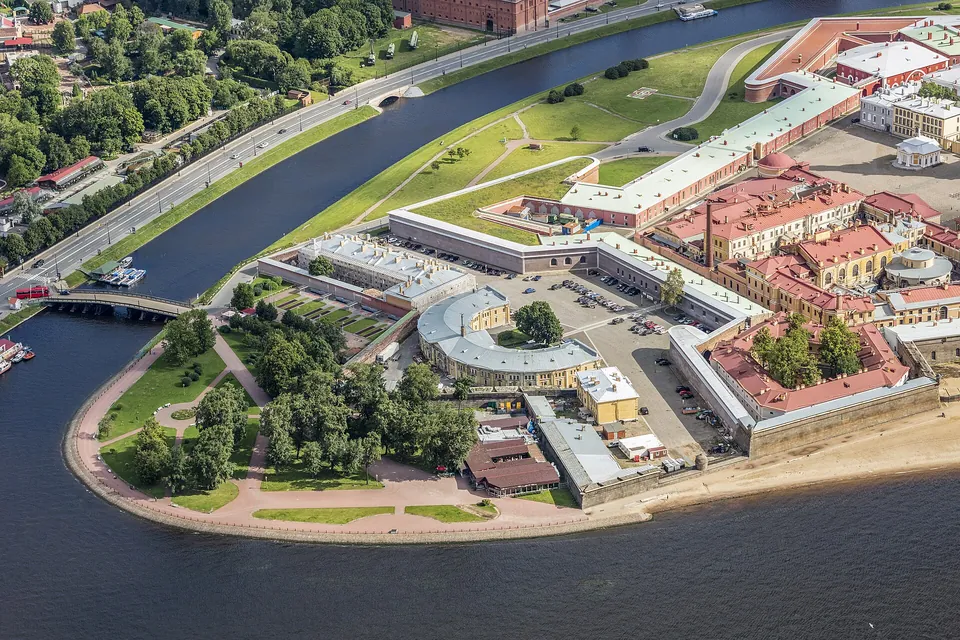
Saint Petersburg
St.-Petersburg, Russia
JJanuary: Not goodFFebruary: Not goodMMarch: Not goodAApril: TolerableMMay: GoodJJune: BestJJuly: BestAAugust: GoodSSeptember: GoodOOctober: Not goodNNovember: Not goodDDecember: Not goodJJanuary: Not goodFFebruary: Not goodMMarch: Not goodAApril: TolerableMMay: GoodJJune: BestJJuly: BestAAugust: GoodSSeptember: GoodOOctober: Not goodNNovember: Not goodDDecember: Not good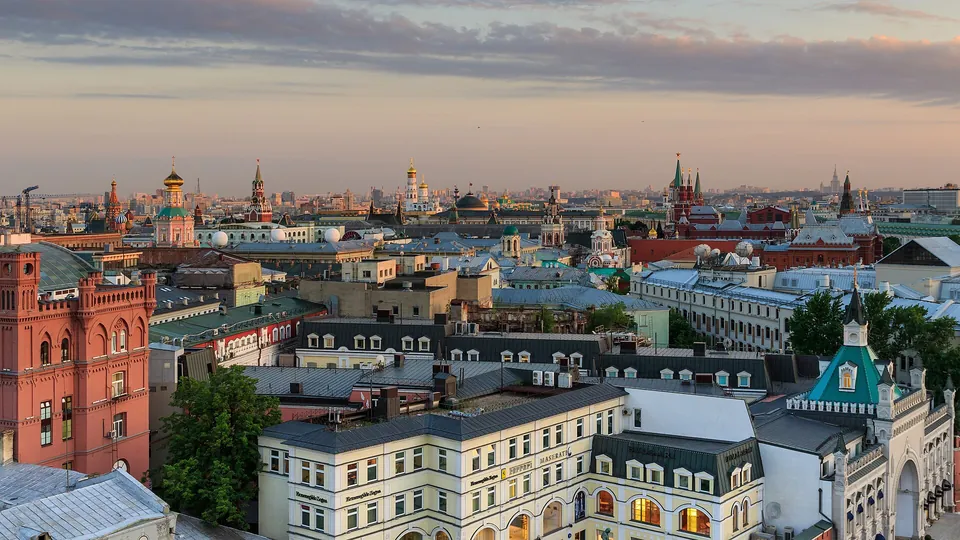
Moscow
Russia
JJanuary: Not goodFFebruary: Not goodMMarch: Not goodAApril: TolerableMMay: BestJJune: BestJJuly: BestAAugust: BestSSeptember: GoodOOctober: Not goodNNovember: Not goodDDecember: Not goodJJanuary: Not goodFFebruary: Not goodMMarch: Not goodAApril: TolerableMMay: BestJJune: BestJJuly: BestAAugust: BestSSeptember: GoodOOctober: Not goodNNovember: Not goodDDecember: Not good
Vladivostok
Primorye, Russia
JJanuary: Not goodFFebruary: Not goodMMarch: Not goodAApril: TolerableMMay: TolerableJJune: GoodJJuly: GoodAAugust: TolerableSSeptember: BestOOctober: GoodNNovember: Not goodDDecember: Not goodJJanuary: Not goodFFebruary: Not goodMMarch: Not goodAApril: TolerableMMay: TolerableJJune: GoodJJuly: GoodAAugust: TolerableSSeptember: BestOOctober: GoodNNovember: Not goodDDecember: Not good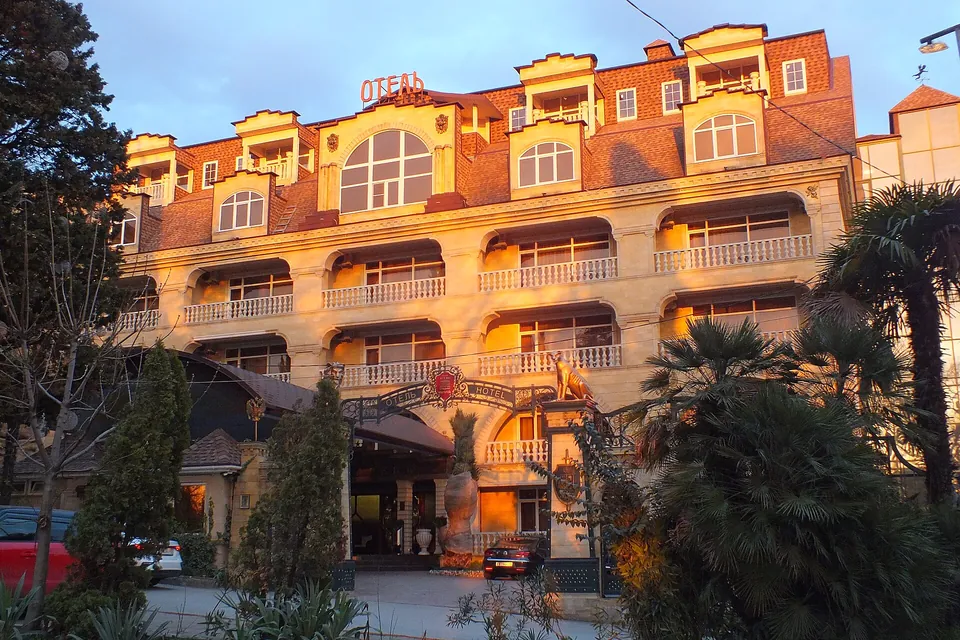
Sochi
Krasnodar Krai, Russia
JJanuary: Not goodFFebruary: Not goodMMarch: Not goodAApril: GoodMMay: GoodJJune: BestJJuly: BestAAugust: GoodSSeptember: GoodOOctober: GoodNNovember: TolerableDDecember: Not goodJJanuary: Not goodFFebruary: Not goodMMarch: Not goodAApril: GoodMMay: GoodJJune: BestJJuly: BestAAugust: GoodSSeptember: GoodOOctober: GoodNNovember: TolerableDDecember: Not good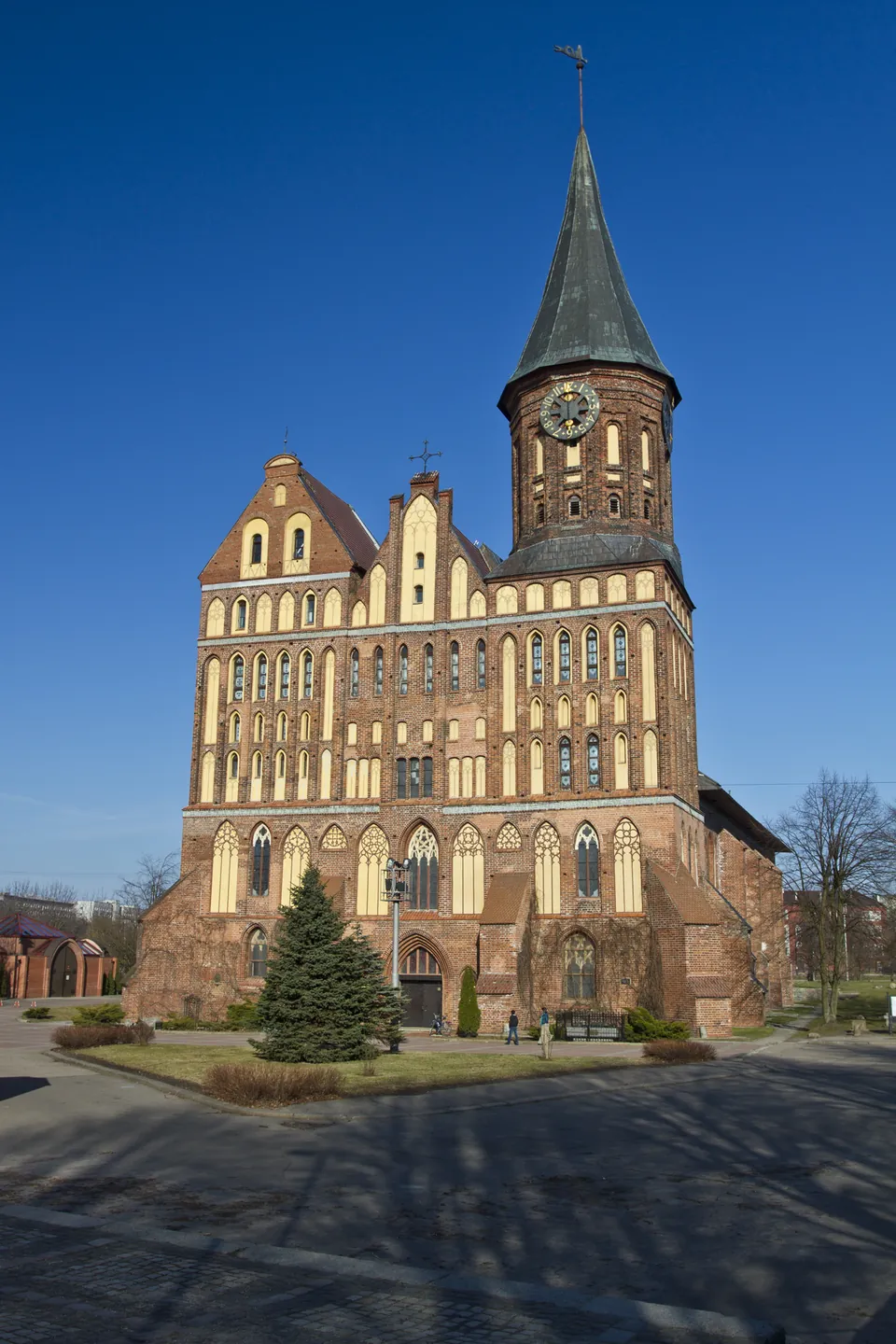
Kaliningrad
Kaliningrad Oblast, Russia
JJanuary: Not goodFFebruary: Not goodMMarch: TolerableAApril: GoodMMay: GoodJJune: BestJJuly: GoodAAugust: BestSSeptember: GoodOOctober: TolerableNNovember: Not goodDDecember: Not goodJJanuary: Not goodFFebruary: Not goodMMarch: TolerableAApril: GoodMMay: GoodJJune: BestJJuly: GoodAAugust: BestSSeptember: GoodOOctober: TolerableNNovember: Not goodDDecember: Not good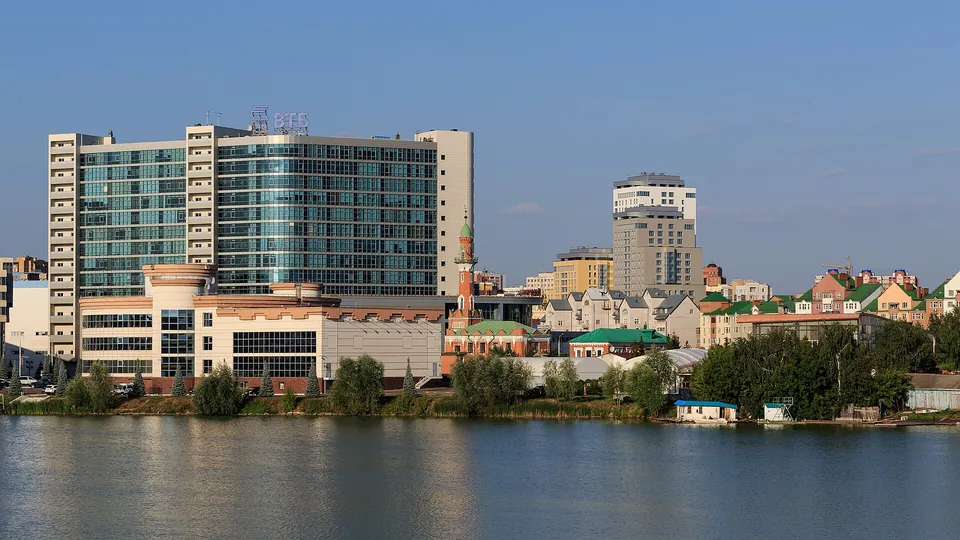
Kazan
Tatarstan Republic, Russia
JJanuary: Not goodFFebruary: Not goodMMarch: Not goodAApril: TolerableMMay: BestJJune: BestJJuly: BestAAugust: BestSSeptember: GoodOOctober: Not goodNNovember: Not goodDDecember: Not goodJJanuary: Not goodFFebruary: Not goodMMarch: Not goodAApril: TolerableMMay: BestJJune: BestJJuly: BestAAugust: BestSSeptember: GoodOOctober: Not goodNNovember: Not goodDDecember: Not good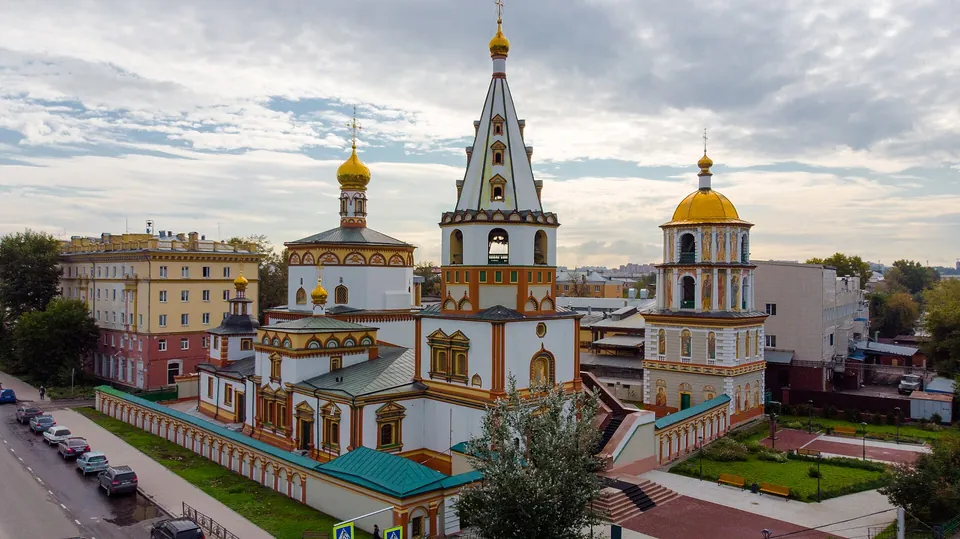
Irkutsk
Irkutsk Oblast, Russia
JJanuary: Not goodFFebruary: Not goodMMarch: Not goodAApril: TolerableMMay: GoodJJune: BestJJuly: BestAAugust: BestSSeptember: GoodOOctober: TolerableNNovember: Not goodDDecember: Not goodJJanuary: Not goodFFebruary: Not goodMMarch: Not goodAApril: TolerableMMay: GoodJJune: BestJJuly: BestAAugust: BestSSeptember: GoodOOctober: TolerableNNovember: Not goodDDecember: Not good
Novosibirsk
Novosibirsk Oblast, Russia
JJanuary: Not goodFFebruary: Not goodMMarch: Not goodAApril: TolerableMMay: GoodJJune: BestJJuly: BestAAugust: BestSSeptember: GoodOOctober: Not goodNNovember: Not goodDDecember: Not goodJJanuary: Not goodFFebruary: Not goodMMarch: Not goodAApril: TolerableMMay: GoodJJune: BestJJuly: BestAAugust: BestSSeptember: GoodOOctober: Not goodNNovember: Not goodDDecember: Not good
Planning a trip to Veliky Ustyug?
Set Veliky Ustyug beside other places, month by month, on the travel calendar. With a free account you can save the calendar, build the itinerary and budget, and share the trip with the friends and family coming along.